
Recipes
Tottenham Cake Recipe: Classic Pink-Iced British Traybake
Aug
Some cakes impress with several layers, elaborate decoration and rich fillings. Tottenham cake takes almost the opposite approach. It is a simple British traybake known for its soft sponge and unmistakable pink icing.
That simplicity is part of its charm. You do not need advanced decorating skills or specialist baking equipment to prepare it at home. Once baked, the cake is usually cut into neat squares, making it ideal for afternoon tea, small gatherings or simply keeping something sweet ready for the family.
If you have never tried this old-fashioned bake before, this Tottenham cake recipe is an easy place to start.
What Is Tottenham Cake?
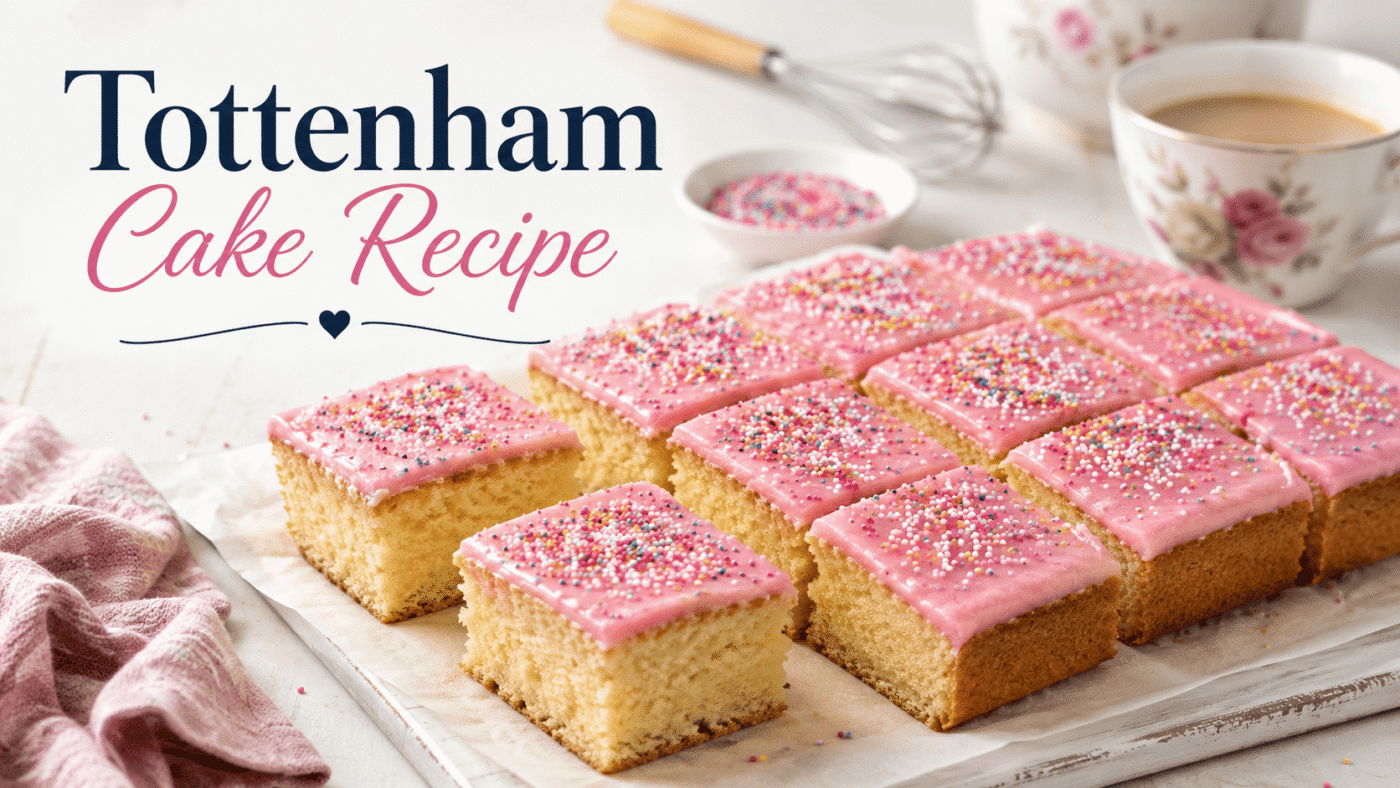
Tottenham cake is a traditional British sponge cake associated with Tottenham in North London. Its most recognisable feature is the layer of bright pink icing spread across the top.
Unlike heavily frosted celebration cakes, Tottenham cake is normally baked as a single tray or square sponge. The result is straightforward: a soft vanilla-style cake underneath and a thin, sweet icing layer on top.
Stories surrounding the cake connect it with the Tottenham area and with early versions that used fruit to give the icing its pink colour. Modern versions usually rely on food colouring, raspberry flavouring or other berry ingredients to recreate the signature look.
Ingredients for Homemade Tottenham Cake
For the Sponge
- 180g all-purpose flour
- 170g caster sugar
- 170g unsalted butter, softened
- 3 large eggs
- 1½ teaspoons baking powder
- 1 teaspoon vanilla extract
- 2 tablespoons milk
- A small pinch of salt
For the Pink Icing
- 180g icing sugar
- 2–3 tablespoons milk or water
- A few drops of pink food colouring
- ½ teaspoon vanilla or strawberry essence, optional
Optional Decoration
- Colourful sprinkles
- Desiccated coconut
- Freeze-dried raspberry pieces
- Finely chopped nuts
The decoration should remain fairly simple. Tottenham cake works because the sponge and icing remain the main attraction.
How to Make Tottenham Cake
1. Prepare the Baking Tin
Preheat the oven to 180°C, or approximately 160°C for a fan-assisted oven.
Grease a square or rectangular baking tin and line the base with baking parchment. Leaving a little parchment extending above the sides can make removing the finished sponge easier.
2. Cream the Butter and Sugar
Add the softened butter and caster sugar to a large mixing bowl. Beat them together until the mixture becomes noticeably lighter and fluffy. This step helps introduce air into the batter and contributes to the cake’s soft texture.
Avoid using butter straight from the refrigerator because cold butter will be considerably harder to cream properly.
3. Add the Eggs
Add the eggs gradually rather than pouring them all into the mixture at once. Beat well after each addition.
If the mixture begins to look slightly curdled, add a spoonful of the measured flour and continue mixing. It normally comes back together. Stir in the vanilla extract.
4. Fold in the Dry Ingredients
Sift together the flour, baking powder and salt. Add them gradually to the wet mixture and fold gently using a spatula.
Add the milk and continue folding until you have a smooth cake batter. Do not continue beating once everything has combined. Excessive mixing at this stage can develop too much gluten and produce a firmer sponge instead of the light texture you want.
Bake Until Lightly Golden
Transfer the batter into your prepared tin. Use the back of a spoon or spatula to level the surface so the cake bakes evenly.
Place it in the centre of the oven and bake for approximately 25–30 minutes. Ovens vary, so start checking towards the lower end of the baking time.
The cake should:
- Look lightly golden on top
- Spring back when gently pressed
- Begin pulling very slightly away from the sides
- Produce a clean or nearly clean skewer when tested in the centre
If wet batter sticks to the skewer, give the cake another few minutes.
Cool the Sponge Completely
Allow the cake to sit in its tin for about 10 minutes before carefully transferring it to a cooling rack.
This part matters more than it seems. Putting icing on a warm cake causes the sugar mixture to loosen, melt and soak into the sponge rather than forming the smooth pink layer Tottenham cake is known for.
Wait until the cake feels completely cool before decorating it.
Make the Classic Pink Icing
Place the icing sugar in a bowl. Add approximately two tablespoons of milk or water and stir.
Continue adding liquid in very small quantities until the icing becomes smooth and spreadable. Then add a few drops of pink food colouring.
Start conservatively. You can always add another drop, whereas fixing icing that has become excessively dark is much harder. If you want a slight fruity character, strawberry or raspberry flavouring works particularly well.
Spread the icing evenly over the cooled sponge and allow it to settle. You can leave the surface completely plain or scatter a small quantity of sprinkles over it before the icing sets.
The Secret Is Getting the Icing Consistency Right
The sponge is relatively forgiving. The icing is where people commonly run into problems.
If the icing immediately runs towards the edges of the cake, it is probably too thin. Add some additional icing sugar.
If it is difficult to spread and begins dragging crumbs from the sponge, it is probably too thick. Add liquid about half a teaspoon at a time.
You want an icing that moves easily underneath a spoon or palette knife while remaining thick enough to stay where you spread it.
Easy Variations to Try
Raspberry Tottenham Cake
Replace some of the liquid in the icing with raspberry juice or puree. Strain the puree first if you want a smoother finish.
Lemon Sponge Version
Add finely grated lemon zest to the cake batter. The slight acidity works surprisingly well against the sweetness of the pink icing.
Coconut-Topped Tottenham Cake
Scatter desiccated coconut over the freshly spread icing. This adds texture without changing the basic character of the cake.
Chocolate Drizzle Version
Allow the pink icing to set before adding a very thin drizzle of melted dark chocolate. Keep it restrained so it does not overpower the simple vanilla sponge underneath.
Common Tottenham Cake Mistakes
A Dense Sponge
This can happen when the butter and sugar have not been creamed enough or when the batter is overmixed after adding the flour.
Cake Sinking in the Centre
Opening the oven too early can cause a partially baked sponge to collapse. Try not to open the oven during the early stages of baking.
Dry Cake
Overbaking is usually the culprit. Check your sponge several minutes before the suggested baking time finishes, particularly if your oven tends to run hot.
Icing Sliding Off
Either the sponge was still warm or too much liquid was added to the icing. Let the cake cool fully and gradually add liquid when preparing the topping.
How to Serve Tottenham Cake
One of the advantages of a traybake is that it is easy to portion. Once the icing has set, cut the cake into squares or rectangular slices using a sharp knife.
Wiping the blade between cuts will give you cleaner edges.
Serve it with:
- English breakfast tea
- Coffee
- Hot chocolate
- Fresh berries
- A small scoop of vanilla ice cream
It is equally suitable as a simple afternoon snack or a casual homemade dessert. If you would rather order than bake, you can also explore cake delivery in delhi for ready-made celebration options.
How to Store Tottenham Cake
Keep the finished cake in an airtight container at room temperature. It should remain enjoyable for approximately 2–3 days, although the sponge is usually at its best during the first couple of days.
If the weather is particularly warm, you can refrigerate it. Allow refrigerated slices to sit at room temperature for a short period before serving because chilled butter-based sponge can feel firmer.
You can also freeze the sponge before icing it. Wrap the completely cooled sponge securely, freeze it and add fresh icing after it has thawed.
Why This Simple Cake Still Works
Modern cakes can involve multiple sponges, ganache, fondant, fillings and intricate decoration. Tottenham cake proves that none of those things is necessary for a satisfying homemade cake.
Its appeal comes from contrast: light sponge underneath, sweet icing above and a splash of pink that makes an otherwise simple traybake instantly recognisable.
More importantly, it is approachable. You can prepare it with everyday baking ingredients, cut it into plenty of portions and customise it without losing the character of the original cake.
So the next time you want to bake something a little different from the usual chocolate or vanilla cake, give Tottenham cake a try. Its cheerful pink top may catch your attention first, but the uncomplicated soft sponge underneath is what makes this British classic worth baking again.
